
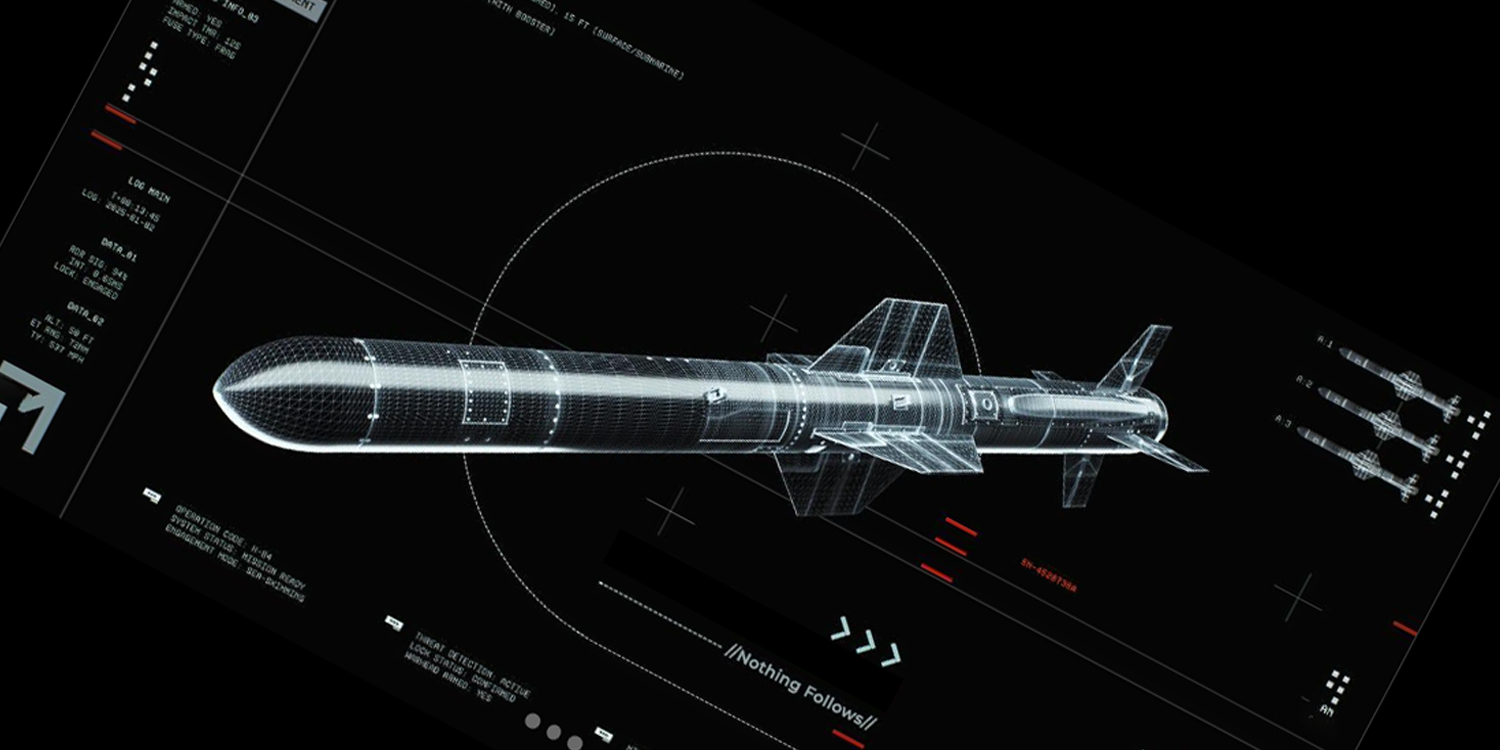
I partnered with an ASIC/FPGA Design Engineer at Lockheed Martin to create detailed and specific test procedures for the telemetry components of a MIM-104 Patriot PAC-3 interceptor missile. These procedures went through rounds of edits with this Engineer and other subject matter experts to ensure usability, holistic coverage, and error prevention. All details are unclassified and non-proprietary.
Client:
Lockheed Martin
Role:
Technical Writer /
Content Strategist
Timeline:
Oct 17, 2025 –
Nov 7, 2025
Tools/Skills:
Research design, Adobe InDesign, plain language principles,
SME collaboration, Agile workflows, multi-regulation adherence
Summary
Lockheed Martin expressed a need for quality test procedures that would reduce the likelihood of catastrophic errors or costly repairs during or post test. The lead ASIC/FPGA Design Engineer requested that the procedures followed IRIG 106-20 Telemetry Standards, FM 3-01.11 U.S. Army Air Defense Artillery Operations, and Lockheed Martin’s design guidelines/style guide.
Four components were chosen for detailed test procedures, accompanied by holistic front-matter including Scope of testing, Limitations, Reference Material, Safety Requirements, and Supplementary Forms. Each component was given their own set of test procedures with generated images and diagrams to improve usability and reader understanding. Each procedure includes the following sections:
- Purpose – States what the test verifies and why.
- Required Equipment – Lists all necessary tools, instruments, and software.
- Test Setup – Describes how equipment and components are arranged.
- Pre-Test Conditions – Lists environmental and readiness checks before testing.
- Test Method – Summarizes the testing approach and measurement strategy.
- Procedure – Provides the ordered steps for conducting the test.
- Acceptance Criteria – Defines the limits or conditions for a successful result.
- Data Recording and Reporting – Outlines documentation and archiving requirements.
- Post-Test Actions – Covers equipment shutdown, reset, and data backup steps.
Additionally, I created an infographic for dispersal amongst future test documentation teams within Lockheed Martin. This visual included key details from the reference material and Lockheed’s own style guide, as well as insights into my own process in creating the origin documents.

Key Deliverables
- Newly designed test documentation, split into modular documents but structured in a holistic manual and designed for print or PDF distribution.
- A high-level visual infographic that details the process and best-practices of creating test documentation, as well as key regulatory information.
- Custom images, graphs, and diagrams that outline the process of each test procedure.
- In-person onboarding and integration of the test documents into the teams’ agile workflows.
Skills Applied:
- Desktop publishing and layout design software (Adobe InDesign and Figma)
- Standardized research practices and consultation amongst SMEs.
- Adherence to governmental and internal regulations and guidelines.
- Visual design and communication hierarchy principles.
- Agile workflow and personal integration with team.
- Remote collaboration using Slack

Impact
This documentation served as a proof of concept for the structure and design of future test documents. The guidelines and best practices that I outlined in the infographic helped inform the engineers at Lockheed Martin of ways to improve their documentation practices. I also highlighted areas that their documents had been lacking, such as recording procedures in the case of abnormalities, detailed pre and post test instructions, and standardized recording metrics. This brought increased efficiency to their tests and reduced the risk of malfunctions and retesting.
